Overview
In the autumn of 1982, seven people in the Chicago metropolitan area died after ingesting Extra-Strength Tylenol capsules that had been deliberately contaminated with potassium cyanide. The poisonings were not the result of a manufacturing defect; investigators concluded that someone removed bottles from store shelves, opened the capsules, replaced the medicine with a lethal dose of cyanide, and returned the tampered bottles to retail outlets in the Chicago suburbs.
The deaths triggered a nationwide panic, a massive product recall, and lasting reforms in consumer-product safety. Despite one of the largest investigations of its era, no one has ever been charged with the murders themselves, and the case remains officially unsolved more than four decades later. It is frequently cited as a landmark event in the history of product tampering and corporate crisis response.
The Victims and the Poisonings
The first victim was Mary Kellerman, a 12-year-old girl from Elk Grove Village, who died on September 29, 1982, after taking a Tylenol capsule for cold symptoms. That same day, Adam Janus, a 27-year-old postal worker from Arlington Heights, also died. Later, his brother Stanley Janus and Stanley's wife Theresa Janus took capsules from the same bottle while grieving at the family home; both were fatally poisoned, with Stanley dying that day and Theresa dying days afterward.
The other victims were Mary McFarland of Elmhurst, Paula Prince, a flight attendant who lived in Chicago, and Mary Reiner of Winfield. In total, seven people died over a period of several days. The victims had purchased Tylenol from different stores, which helped investigators recognize that the contamination occurred at the retail level rather than at a single point of manufacture or distribution.
Investigation
Investigators connected the deaths after medical personnel and public-health officials noticed a pattern linking the victims to Tylenol. Testing confirmed that capsules from several bottles contained potassium cyanide in quantities far exceeding a lethal dose. Because the affected bottles came from different manufacturing lots and different stores, authorities determined that the tampering had occurred after the products left the factory, pointing to a poisoner operating in the Chicago area.
The manufacturer, Johnson & Johnson and its McNeil Consumer Products subsidiary, issued a nationwide recall of Tylenol, pulling roughly 31 million bottles from shelves, and warned the public not to consume the product. The company's transparent, safety-first response is widely studied as a model of crisis management. Law enforcement, including local police and the FBI, pursued thousands of leads, but the perpetrator's identity was never conclusively established.
Suspects and Theories
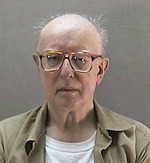
A man named James William Lewis sent an extortion letter to Johnson & Johnson demanding money to 'stop the killing.' He was convicted of extortion and served time in prison, but authorities were never able to charge him with the murders, and he denied carrying out the poisonings. Lewis remained a person of interest for decades; he died in 2023. No charges were ever brought against him in connection with the deaths.
Over the years, investigators have explored other theories and persons of interest. In 2009, federal and local authorities revisited the case, conducting searches and collecting DNA, partly spurred by advances in forensic technology. Some commentators have speculated about possible connections to other unsolved poisonings, but no definitive link has been publicly confirmed. The core question of who tampered with the bottles remains unanswered.
Legacy and Reforms
The Tylenol murders prompted sweeping changes in how over-the-counter medications and consumer products are packaged. Manufacturers introduced tamper-evident and tamper-resistant packaging, including foil seals, shrink bands, and glued boxes, and the industry shifted toward 'caplets' that are harder to contaminate than two-piece capsules. The U.S. Food and Drug Administration issued tamper-resistant packaging regulations in the wake of the case.
Congress also responded by passing legislation that made malicious product tampering a federal crime, commonly associated with the 1983 federal anti-tampering law. The case is regularly cited in business, public-health, and criminal-justice education as a turning point in both corporate responsibility and consumer safety. It also inspired a wave of copycat tampering incidents in the years that followed.
Current Status
As of today, the Chicago Tylenol murders remain unsolved. No individual has ever been charged with or convicted of the seven killings, despite renewed investigative efforts and periodic public interest. The case is occasionally revisited by journalists, podcasters, and documentary filmmakers, and law enforcement has stated over the years that it remains open.
The episode endures as one of the most consequential unsolved crimes in modern American history, remembered both for the lives lost and for the permanent transformation it brought to product packaging and tampering law. Out of respect for the victims and their families, accounts of the case emphasize that these were real people whose deaths drove protections that continue to safeguard consumers today.