Background
On the evening of Friday, 13 November 2015, France suffered the deadliest peacetime attack on its soil since World War II. A series of coordinated terrorist assaults struck multiple locations across Paris and the northern suburb of Saint-Denis, leaving 130 people dead and more than 400 injured, many critically. The attacks were claimed by the Islamic State (ISIS/ISIL/Daesh), which described them as retaliation for French airstrikes against the group in Syria and Iraq as part of the international coalition.
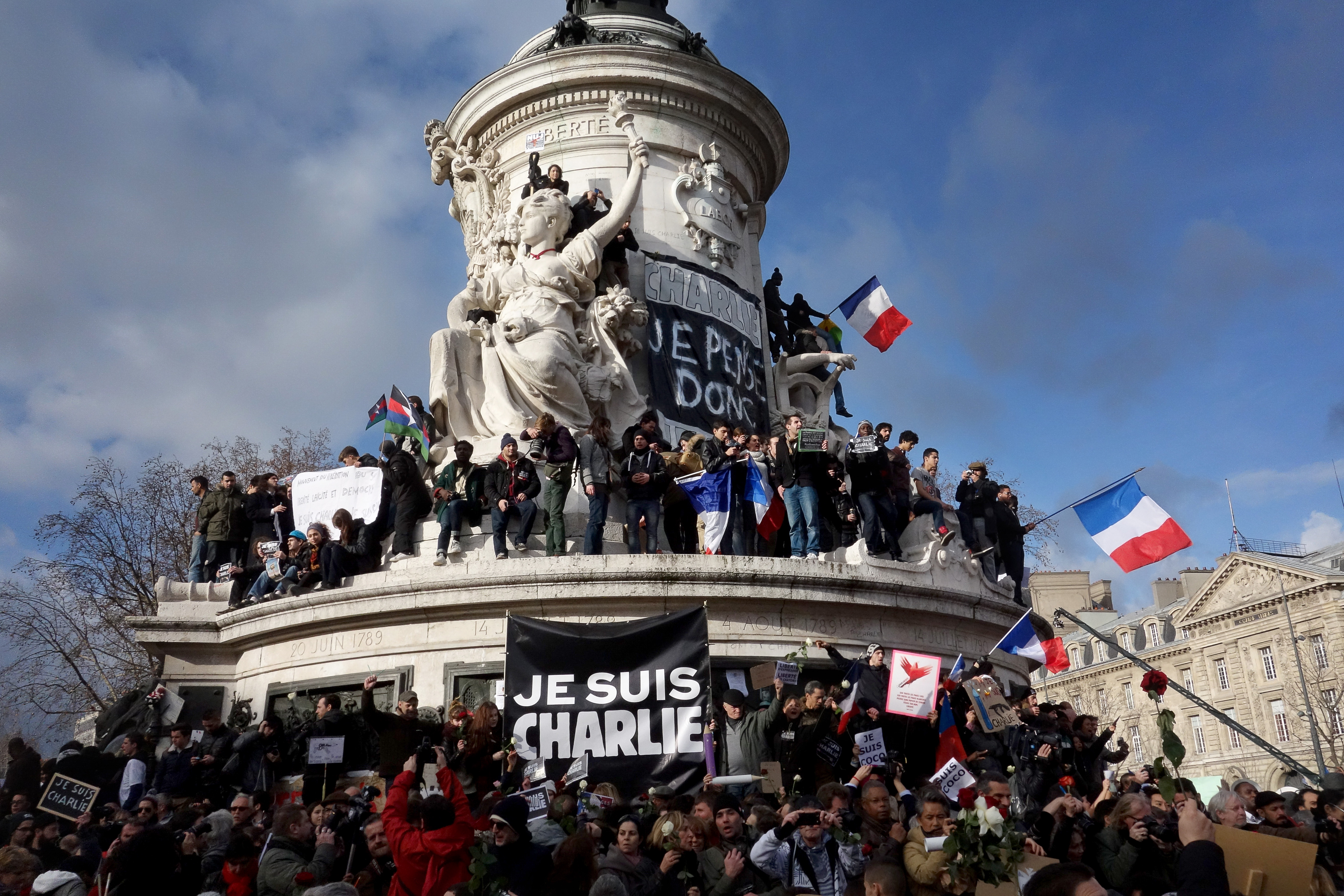
The assault was carried out by three coordinated teams of attackers using assault rifles and explosive suicide vests. France was already on heightened alert in 2015 following the January attacks on the satirical magazine Charlie Hebdo and a kosher supermarket. The November cell had links to networks operating between France and Belgium, particularly the Molenbeek district of Brussels, which became a focus of the subsequent investigation.
The Attacks
The first explosions occurred near the Stade de France in Saint-Denis, where France was playing Germany in a football friendly attended by President François Hollande. Three suicide bombers detonated their vests outside the stadium between roughly 9:20 and 9:53 p.m. after being unable to enter; one passerby was killed. The matches continued, and the stadium was evacuated calmly afterward.
Nearly simultaneously, gunmen opened fire on the terraces of cafés, bars, and restaurants in the 10th and 11th arrondissements, including locations on Rue Bichat, Rue de la Fontaine au Roi, and Boulevard Voltaire, killing dozens of people dining and drinking on a mild autumn evening.
The deadliest assault took place at the Bataclan concert hall, where the American rock band Eagles of Death Metal was performing to a sold-out crowd of around 1,500. Three attackers stormed the venue and opened fire on the audience, then took hostages during a standoff with police. By the time security forces ended the siege, 90 people had been killed inside the Bataclan alone.
Response and Investigation
French police and specialist units, including the BRI and RAID tactical teams, responded to the Bataclan siege. Police assaulted the venue shortly after midnight; the remaining attackers detonated their suicide vests or were killed by police. In total, the gunmen and bombers across all sites died during the attacks, most by detonating explosive vests.
President Hollande declared a national state of emergency and temporarily reinstated border controls. The state of emergency was repeatedly extended and remained in force for roughly two years. France intensified its airstrikes against ISIS positions in Syria in the days that followed.
The investigation quickly identified cross-border links between France and Belgium. Several attackers were French or Belgian nationals, some previously known to authorities, who had travelled to Syria. Investigators also examined how some attackers may have entered Europe amid migration flows using fraudulent documents, a point that became part of public debate, though several perpetrators were European-born.
Perpetrators
The attacks were organized by a cell linked to ISIS. Abdelhamid Abaaoud, a Belgian national of Moroccan descent from Molenbeek, was identified as the on-the-ground coordinator of the plot. Abaaoud was killed on 18 November 2015 in a police raid on an apartment in Saint-Denis, several days after the attacks, along with at least one other person.
Salah Abdeslam, another key figure, fled the scene and became the subject of an intense international manhunt. He was captured in Molenbeek, Brussels, on 18 March 2016, days before the linked Brussels bombings of 22 March 2016, which were carried out by an overlapping network. Abdeslam later stood trial as the principal surviving defendant.
Other attackers included brothers and associates connected through the Brussels and Syrian networks. Investigators concluded the plot was planned in part from ISIS-controlled territory in Syria and executed by operatives who had returned to Europe.
Trial and Aftermath
A landmark trial, often described as the largest in modern French history, opened in September 2021 before a specially constituted assize court in Paris. Twenty defendants faced charges, several tried in absentia. The proceedings heard testimony from hundreds of survivors and victims' families over many months.
On 29 June 2022, the court delivered its verdicts. Salah Abdeslam, the only surviving member of the attack teams to stand trial, was convicted and sentenced to life imprisonment without the possibility of parole, a rarely applied penalty in France. Other defendants received a range of prison sentences according to their roles.
The attacks left a lasting impact on France and Europe, reshaping counterterrorism policy, security at public venues, and intelligence cooperation across the European Union. Memorials were established for the victims, and the Bataclan reopened in November 2016 with a concert by Sting. The events remain a defining moment in the history of jihadist terrorism in Europe.