Background
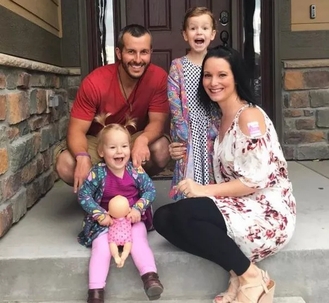
Christopher Lee Watts was born on May 16, 1985, in Fayetteville, North Carolina. He married Shanann Rzucek in November 2012, and the couple settled in Frederick, Colorado, a town in Weld County north of Denver. They had two daughters, Bella and Celeste (often called CeCe), born in 2013 and 2015. At the time of the murders, Shanann was approximately 15 weeks pregnant with a third child, a boy the couple had reportedly planned to name Nico.
Chris Watts worked as an operator for Anadarko Petroleum, an oil and gas company. Shanann worked in multidirect sales, marketing a line of health and wellness products. Outwardly the family projected a comfortable suburban life, frequently documented on Shanann's active social media accounts. The household had experienced financial strain, including a past bankruptcy filing. In the period before the killings, the marriage had deteriorated, and Chris Watts had begun an affair with a coworker.
The Crimes
In the early morning hours of August 13, 2018, after Shanann returned home from a business trip, Chris Watts strangled her. He then drove her body, along with their two living daughters, to a remote Anadarko oil worksite. There he smothered four-year-old Bella and three-year-old Celeste. Watts disposed of the children's bodies inside crude oil storage tanks and buried Shanann's body in a shallow grave nearby.
The murders drew intense national attention in part because of their domestic setting and the youth of the victims. Investigators and prosecutors later described the killings as deliberate. Watts's account of the events shifted multiple times during the investigation; some details of exactly how each death occurred came only from his own later statements and remain known primarily through his confessions.
Investigation and Arrest
When Shanann did not respond to messages, a friend grew concerned and went to the Watts home, then contacted police on August 13, 2018. Shanann and the girls were reported missing. Chris Watts initially cooperated publicly, giving televised and doorstep interviews in which he pleaded for his family's safe return. These media appearances were viewed millions of times online and drew widespread sympathy before suspicion turned toward him.
Watts agreed to a polygraph examination, which investigators indicated he failed. Confronted with the results, he confessed to killing Shanann but initially claimed he had done so in a rage after allegedly witnessing her harm the children — an account authorities and prosecutors rejected. He led investigators to the bodies at the oil site. He was arrested on August 15, 2018, and charged with multiple counts of first-degree murder, unlawful termination of a pregnancy, and tampering with a deceased human body.
Trial and Outcome
Rather than face a jury trial, Chris Watts entered into a plea agreement. In November 2018 he pleaded guilty to multiple counts of first-degree murder for the deaths of Shanann, Bella, and Celeste, as well as to unlawful termination of a pregnancy and charges related to tampering with the bodies. The plea allowed prosecutors to take the death penalty off the table, a decision made in part with the support of Shanann's family.
On November 19, 2018, Watts was sentenced in Weld County District Court. He received multiple consecutive life sentences without the possibility of parole, plus additional years on the lesser counts. At sentencing, members of Shanann's family delivered emotional statements. Watts is serving his sentence in a correctional facility; for security reasons he was transferred to a prison outside Colorado.
Aftermath and Legacy
After his sentencing, Watts gave additional interviews to investigators, including a detailed account known as the "prison confession" or second confession, in which he described the killings more fully and abandoned his earlier claim that Shanann had harmed the children. These statements, along with the original investigative files, were released publicly by authorities.
The case became the subject of extensive media coverage, documentaries, and books. A widely viewed Netflix documentary, "American Murder: The Family Next Door" (2020), reconstructed events largely through the family's own text messages, social media posts, body-camera footage, and police recordings. The case is frequently cited in discussions of domestic violence and "family annihilator" crimes, and Shanann's family and others have used its prominence to raise awareness of intimate-partner violence.