Background and Early Life
Aileen Carol Wuornos was born on February 29, 1956, in Rochester, Michigan. Her early life was marked by severe instability. Her father, Leo Dale Pittman, was a convicted child molester whom she never met; he died by suicide in prison. Her mother, Diane Wuornos, abandoned Aileen and her brother when Aileen was a small child, and the children were raised by their maternal grandparents, whom they believed to be their parents until later in childhood.
Wuornos described an abusive and traumatic upbringing. She reported being beaten by her grandfather and said she became pregnant at age 14, giving birth to a son who was placed for adoption. As a teenager she left home and supported herself through prostitution and itinerant work. By adulthood she had accumulated a record of arrests and lived a transient life across several states, eventually settling in Florida, where she met Tyria Moore, with whom she formed a long-term relationship.
The Crimes
Between late 1989 and 1990, Wuornos killed seven men in Florida. The victims were Richard Mallory, David Spears, Charles Carskaddon, Peter Siems, Troy Burress, Charles Humphreys, and Walter Antonio. Most were middle-aged men who had picked her up while she was working as a sex worker along Florida highways, including Interstate 75.
Each man was shot multiple times with a .22-caliber handgun, and their bodies were discovered in wooded or remote areas. Several of the victims' vehicles and personal belongings were taken. The first known killing, of Richard Mallory in late 1989, was the case Wuornos most consistently claimed was self-defense, alleging he had violently assaulted her. Peter Siems's body was never recovered, though his car was found after being involved in a crash.
Investigation and Arrest
The series of similar killings along Florida highways drew the attention of multiple law enforcement agencies. A significant break came when Wuornos and Tyria Moore were seen abandoning Peter Siems's wrecked car; witness descriptions and a pawned-property trail helped investigators identify the women. Items belonging to the victims had been pawned, and a fingerprint linked to one transaction matched Wuornos, who had a prior criminal record.
Wuornos was arrested on January 9, 1991, at a biker bar called The Last Resort in Volusia County, Florida, initially on an outstanding warrant. Tyria Moore was located in Pennsylvania and cooperated with police. In a series of recorded phone calls arranged by investigators, Moore drew incriminating statements from Wuornos. Wuornos subsequently confessed to the killings, maintaining throughout that each shooting had been an act of self-defense against men who attacked or attempted to attack her.
Trial and Outcome
Wuornos was first tried for the murder of Richard Mallory in early 1992. The prosecution presented her confessions and physical evidence, while the defense argued self-defense. The jury rejected the self-defense claim and convicted her of first-degree murder. She was sentenced to death. In subsequent proceedings she pleaded guilty or no contest to additional murders, ultimately receiving six death sentences.
Years after her Mallory conviction, it was reported that Richard Mallory had a prior conviction for a violent sexual offense, a fact not presented at her trial. This raised debate about her self-defense claims, though courts did not overturn her convictions. Over time Wuornos's statements shifted; she eventually recanted her self-defense account and stated that the killings had been robberies, asking that her appeals end so her execution could proceed.
Execution and Legacy
After dropping her appeals, Aileen Wuornos was executed by lethal injection at Florida State Prison on October 9, 2002, at the age of 46. In the period before her death, questions were raised by some observers about her mental competency and state of mind, though the courts found her competent to be executed.
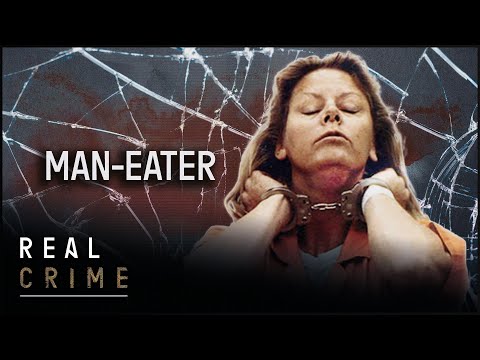
Wuornos became one of the most widely discussed cases in American true crime, frequently cited in discussions of female serial offenders, a category historically rare in criminology. Her life and crimes have been the subject of extensive media coverage, including documentary films by Nick Broomfield and the 2003 feature film 'Monster,' in which Charlize Theron portrayed Wuornos and won the Academy Award for Best Actress. Her case continues to prompt debate about abuse, trauma, the death penalty, and how the justice system treats marginalized women.