Background
On the morning of May 24, 2022, a mass shooting took place at Robb Elementary School in Uvalde, Texas, a small city of roughly 15,000 residents located about 80 miles west of San Antonio. The attack killed 19 children and two teachers and wounded at least 17 others, making it one of the deadliest school shootings in United States history and the deadliest at a U.S. elementary school since the 2012 Sandy Hook shooting in Newtown, Connecticut.
The perpetrator was identified as Salvador Rolando Ramos, an 18-year-old local resident and former student in the Uvalde school district. He had recently turned 18 and, in the days before the attack, legally purchased two AR-platform rifles and a large quantity of ammunition from a licensed firearms dealer. Acquaintances later described him as increasingly isolated, and he had reportedly exhibited troubling behavior, though no single clear motive was ever firmly established by investigators.
The Attack
Before driving to the school, Ramos shot his grandmother in the face at her home; she survived and called for help. He then crashed a vehicle near Robb Elementary and entered the building, reportedly through an exterior door, carrying one of the rifles. He made his way into adjoining classrooms 111 and 112, where he opened fire on the students and teachers inside.
The overwhelming majority of the casualties occurred within the first minutes of the attack. The victims were fourth-grade students, most of them between nine and eleven years old, and two teachers, Irma Garcia and Eva Mireles, who died attempting to protect their pupils. The gunman remained barricaded inside the connected classrooms for an extended period while law enforcement gathered in the hallway and outside the school.
Response and Investigation
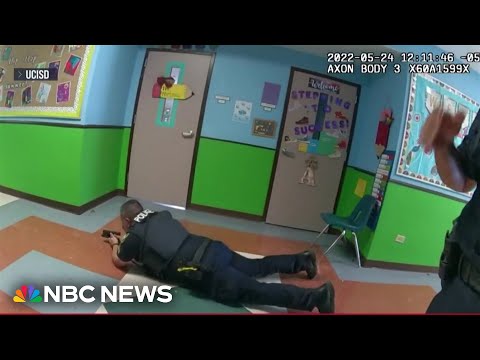
The law enforcement response became the subject of intense national scrutiny and was widely condemned as a catastrophic failure. Despite a large number of officers from multiple agencies arriving on scene, police did not breach the classroom and confront the gunman for approximately 77 minutes. During that time, trapped children and teachers made repeated 911 calls pleading for help. Officers ultimately used a key obtained from a custodian to enter the room, where a U.S. Border Patrol tactical team shot and killed Ramos.
A Texas House of Representatives investigative committee released a detailed report in July 2022 finding 'systemic failures and egregiously poor decision-making' across nearly every level of the response, and noting that hundreds of officers had responded. Body-camera footage and surveillance video later released to the public confirmed long periods of inaction. Pete Arredondo, the Uvalde school district police chief who was identified as the on-scene incident commander, was widely criticized and subsequently fired by the school board.
Aftermath and Accountability
In January 2024, the U.S. Department of Justice released the findings of a Critical Incident Review of the response, describing 'cascading failures' in leadership, training, communications, and tactics, and concluding that lives could potentially have been saved with a faster, more decisive response consistent with active-shooter protocols established after the Columbine massacre.
Criminal accountability followed for some officials. In 2024, a Uvalde County grand jury indicted Pete Arredondo and another former school district officer, Adrian Gonzales, on charges related to child endangerment and abandonment connected to their conduct during the response. The cases drew national attention as a rare instance of criminal charges being brought against officers over their handling of a mass shooting.
The tragedy intensified national debate over gun control, school security, and police accountability. In June 2022, Congress passed the Bipartisan Safer Communities Act, the most significant federal gun safety legislation in decades, which included enhanced background checks for buyers under 21 and funding for mental health and school safety programs. Families of the victims also pursued civil litigation against gun manufacturers, social media companies, and law enforcement agencies.
Legacy and Remembrance
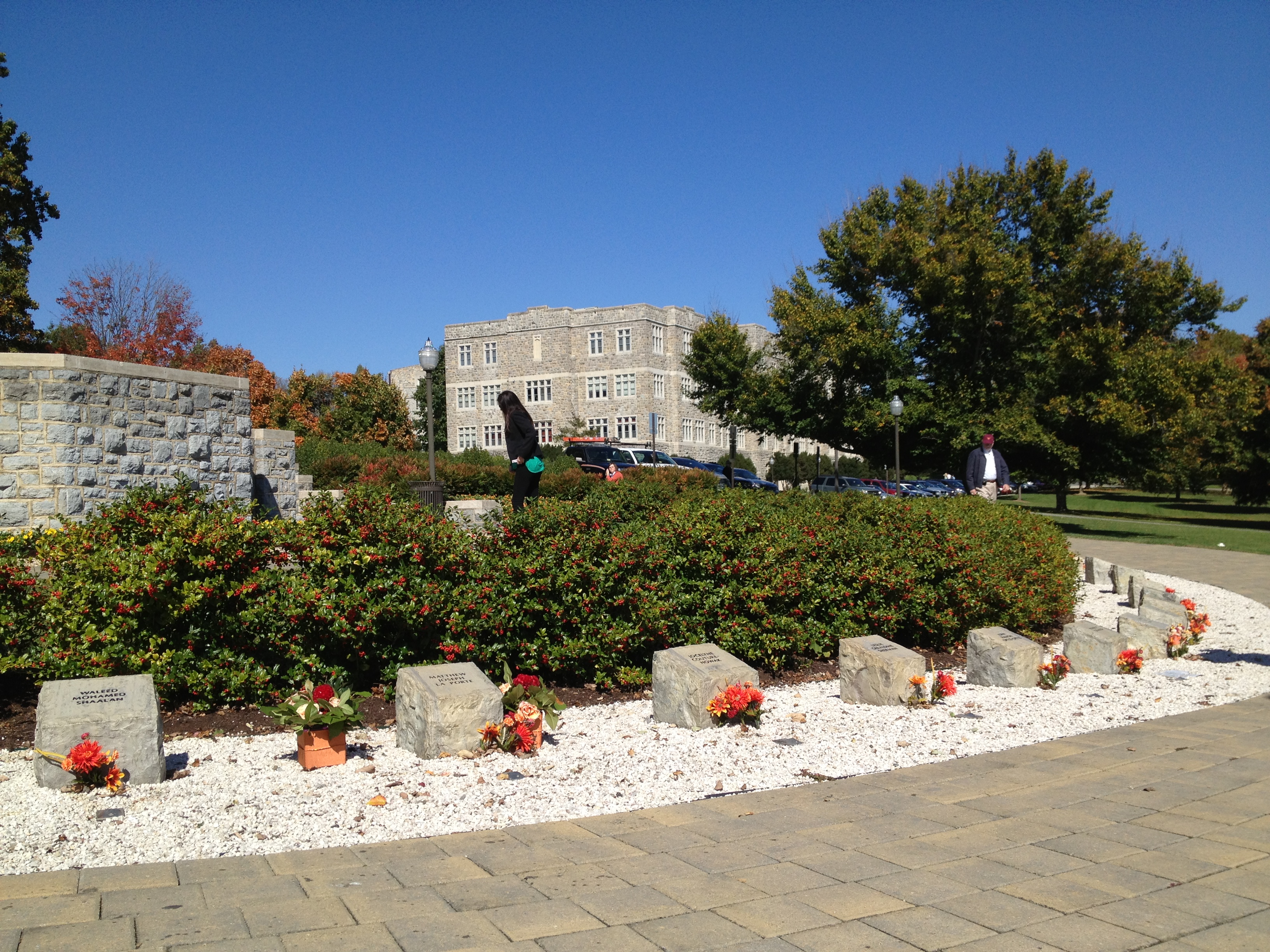
The Uvalde shooting left a lasting mark on the tight-knit, predominantly Hispanic community. Robb Elementary School was permanently closed, with officials stating that students would not be asked to return to the site of the attack; the district announced plans to demolish the building and construct a new school. Memorials honoring the 21 victims were established throughout the city.
The case became emblematic of broader failures in active-shooter response in the United States and prompted reviews of police training and protocols nationwide. For many families, the prolonged official confusion and shifting accounts in the immediate aftermath compounded their grief, fueling sustained calls for transparency, accountability, and reform that continued for years after the attack.