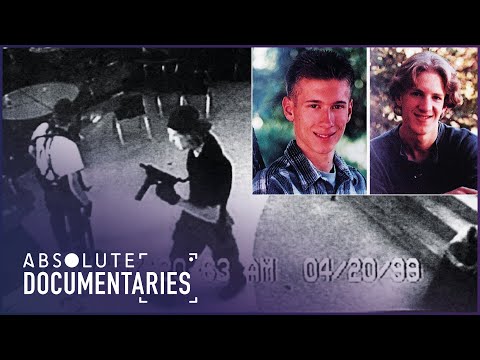
Background
Columbine High School is located in Columbine, an unincorporated area of Jefferson County, Colorado, near Littleton, in the Denver metropolitan area. In the late 1990s it was a large suburban public high school. The two perpetrators of the massacre, Eric David Harris and Dylan Bennet Klebold, were both seniors at the school and were aged 18 and 17, respectively, at the time of the attack.
Harris and Klebold had been friends for several years and shared interests in computers and video games. Both had previously been arrested in 1998 for breaking into a parked van and stealing equipment, after which they completed a juvenile diversion program. In the months leading up to the attack, the pair kept journals and recorded videos documenting their intentions and acquired firearms and materials to build explosive devices, planning the assault over roughly a year.
The Attack
On the morning of April 20, 1999, Harris and Klebold arrived at Columbine High School and placed two propane-based bombs in the cafeteria, timed to detonate during a busy lunch period. The bombs, which were intended to kill large numbers of students, failed to explode. When the devices did not go off, the pair began shooting students outside and then moved into the building.
Over the course of roughly an hour, the two carried out a shooting rampage through the cafeteria, hallways, and library, where the largest number of victims were killed. In total, 12 students and one teacher, Dave Sanders, were killed, and more than 20 other people were injured. After the shootings, both perpetrators died by suicide inside the school library. The attack was, at the time, the deadliest mass shooting at a high school in United States history.
Investigation
The law enforcement response and subsequent investigation were extensive and later became the subject of significant scrutiny. Police and SWAT teams surrounded the school but did not enter quickly, in part because of uncertainty about the number of shooters and the presence of explosive devices. This delay drew criticism and contributed to a nationwide reassessment of how police respond to active-shooter situations.
Investigators recovered numerous unexploded bombs and devices in and around the school and in the perpetrators' vehicles, indicating the attack had been intended to be far deadlier. The Jefferson County Sheriff's Office led the inquiry, and authorities later released voluminous evidence, including the perpetrators' journals and home-made videos, which revealed extensive premeditation. Questions also arose over whether earlier warning signs, including prior complaints about Harris, had been adequately acted upon by authorities.
Outcome and Legal Aftermath
Because both perpetrators died at the scene, there was no criminal trial of the shooters themselves. Legal attention instead focused on those who had supplied or helped obtain the weapons. Several individuals connected to the acquisition of the firearms faced legal consequences, and the case prompted civil lawsuits filed by victims' families against various parties, including the perpetrators' parents, gun suppliers, and county authorities.
Many of the civil suits were settled, and the broader litigation highlighted gaps in gun-purchasing laws, particularly regarding straw purchases and gun-show sales. The official investigative reports released in the years following the attack documented the timeline, the failures in the response, and the warning signs that had preceded the massacre, shaping public understanding of the event.
Legacy and Impact
The Columbine massacre had a profound and lasting effect on American society, becoming a defining reference point in debates over gun control, school safety, bullying, mental health, and media influence. Schools across the United States adopted new security measures, lockdown drills, and threat-assessment programs, and police departments fundamentally changed active-shooter response protocols to prioritize rapid intervention rather than containment.
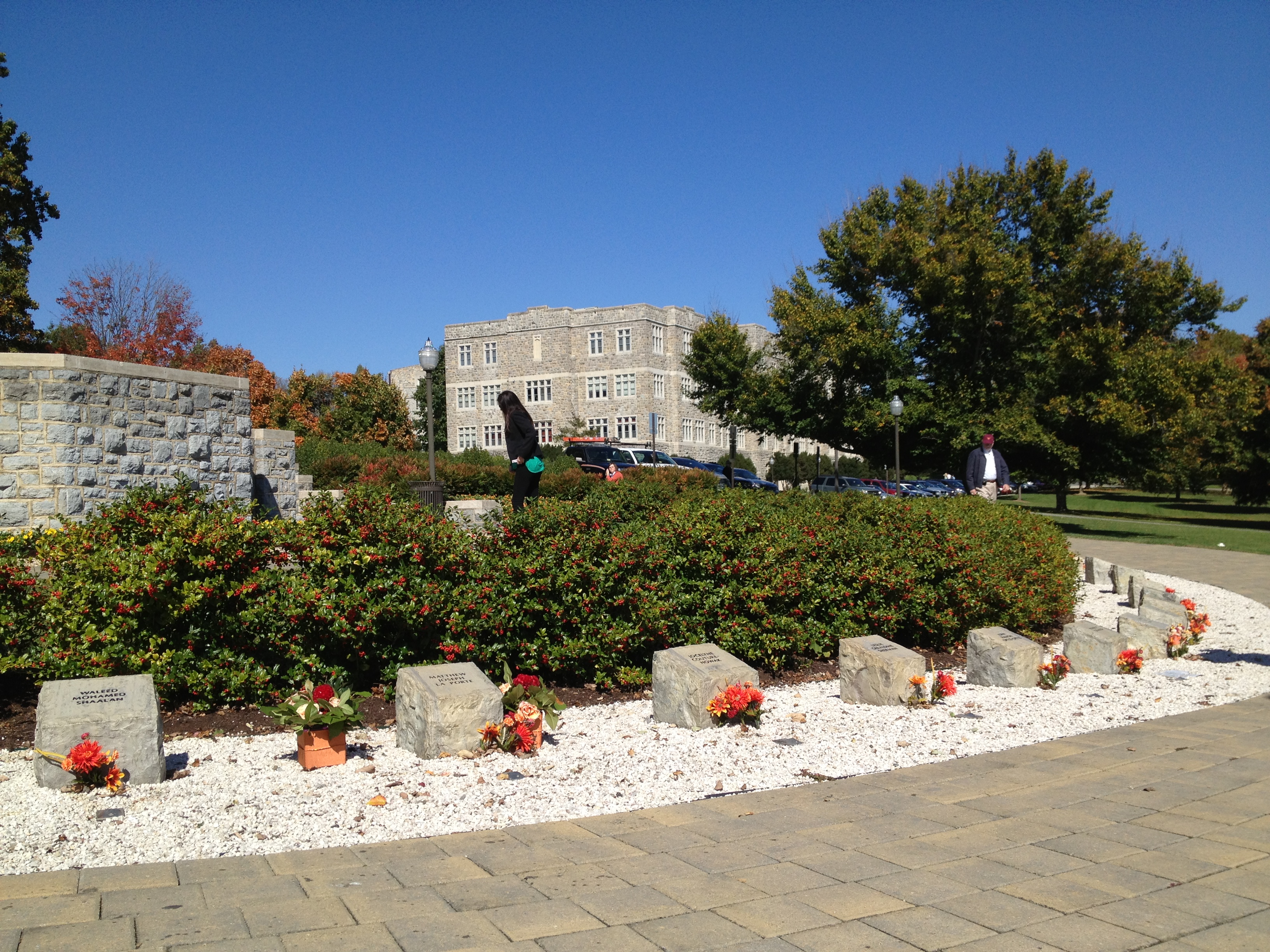
The event also entered cultural memory in lasting ways and has been cited as an influence by later perpetrators of mass shootings, a phenomenon researchers have called the 'Columbine effect.' Memorials, including a permanent memorial near the school dedicated in 2007, honor the victims. Decades later, the attack continues to be studied as a turning point in the history of mass violence in the United States and remains a touchstone in ongoing policy discussions.