Overview
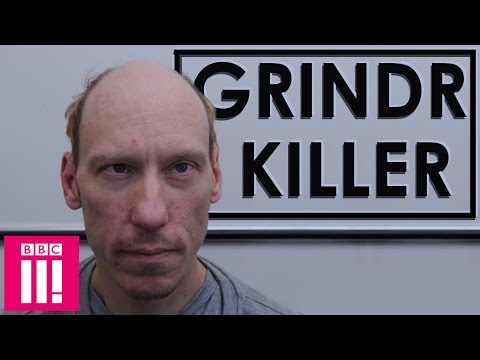
Stephen Port is a British serial killer who murdered four young men between June 2014 and September 2015 in Barking, east London. Born on 22 February 1975, Port worked as a chef and lived in a flat on Cooke Street, close to St Margaret's churchyard where several of his victims were found. He used gay dating and social networking applications, including Grindr, to make contact with young men, whom he then lured to his home. Once there, he administered fatal overdoses of the drug GHB (gamma-hydroxybutyrate), often without his victims' knowledge. The press dubbed him the "Grindr Killer" because of how he found his victims.
The Victims
Port's four murder victims were Anthony Walgate, Gabriel Kovari, Daniel Whitworth and Jack Taylor. Anthony Walgate, a 23-year-old fashion student, was the first to die in June 2014; his body was found outside Port's flat. Gabriel Kovari, a 22-year-old originally from Slovakia, died in August 2014, and Daniel Whitworth, a 21-year-old chef, died in September 2014. The bodies of both Kovari and Whitworth were discovered in the graveyard of St Margaret's Church, only metres from Port's home. Jack Taylor, a 25-year-old forklift driver, was the final victim, found in the same churchyard in September 2015.
All four men died from overdoses of GHB. In addition to the murders, Port was convicted of administering drugs to and sexually assaulting several other men who survived. The proximity of the bodies and the similar circumstances of the deaths would later become central to criticism of the original investigations.
Investigation and Police Failings
The investigation by the Metropolitan Police was the subject of intense criticism. The deaths were initially treated as unconnected and, in several cases, as non-suspicious drug overdoses, despite the unusual pattern of young men being found dead in the same small area. When Daniel Whitworth was found, a fake suicide note was discovered with his body. The note, which had been written by Port, falsely claimed responsibility for Gabriel Kovari's death. Police initially accepted this account rather than treating the deaths as linked murders.
It was largely the persistence of the victims' families, who pressed for answers and pointed out the obvious connections between the cases, that helped drive a fuller investigation. A breakthrough came after Jack Taylor's death, when CCTV footage showed him walking with Port shortly before he died. Taylor's family pushed for the images to be released, leading to Port's identification. Forensic evidence, digital records from dating apps and the discovery of GHB ultimately tied Port to the killings.
Trial and Conviction
Stephen Port stood trial at the Old Bailey in 2016. On 23 November 2016, he was found guilty of the murders of Anthony Walgate, Gabriel Kovari, Daniel Whitworth and Jack Taylor. He was also convicted of multiple counts of rape, sexual assault and administering a substance with intent against other young men. The court heard that Port had drugged his victims to facilitate sexual assault and had shown a pattern of predatory behaviour using online platforms.
On 25 November 2016, the trial judge, Mr Justice Openshaw, sentenced Port to a whole-life order, meaning he will never be released from prison. The judge described the gravity and calculated nature of the crimes. Port had previously, in 2015, been convicted and briefly imprisoned for perverting the course of justice in connection with lying to police about Anthony Walgate's death, before the murders were fully uncovered.
Inquest and Aftermath
The case prompted significant scrutiny of how the Metropolitan Police handled the deaths of gay men. In 2021, inquests into the four deaths concluded at Barking Town Hall. The jury found that failures in the police investigation "probably" contributed to the deaths of three of the victims, with the inquest highlighting missed opportunities that might have allowed Port to be stopped sooner. The families argued that prejudice and assumptions about the gay community and drug use had affected the quality of the investigations.
The Independent Office for Police Conduct examined the conduct of officers involved. The case led to calls for reforms in how police investigate deaths within LGBTQ communities and how potential links between cases are identified. It remains one of the most widely discussed examples of alleged institutional failings in a modern British serial murder investigation.
Media and Cultural Impact
The Stephen Port case received extensive coverage in British and international media and has been the subject of documentaries and dramatisations. In 2021, the BBC broadcast a three-part drama, "Four Lives," starring Stephen Merchant as Port. The drama focused largely on the experiences of the victims and their families and on the failings of the investigation, rather than sensationalising the perpetrator. The title reflected the central aim of honouring the four young men who were killed.
The case is frequently cited in discussions of online dating safety, drug-facilitated sexual assault, and the relationship between police and LGBTQ communities. It also became a reference point in debates about how deaths involving recreational drug use are investigated. The combination of the killer's use of dating apps, the proximity of the murders and the documented investigative failures has made the case a notable and studied example within UK true-crime history.