Background
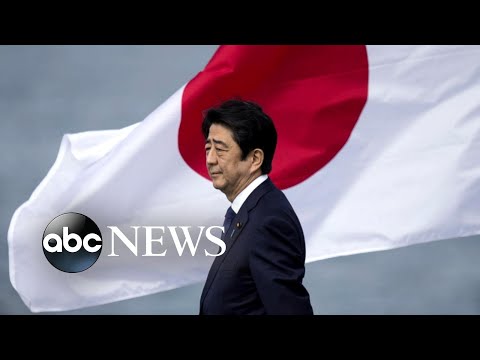
Shinzo Abe (1954-2022) was Japan's longest-serving prime minister, holding office from 2006 to 2007 and again from 2012 to 2020. A leading figure in the conservative Liberal Democratic Party (LDP), he was known internationally for his economic program dubbed 'Abenomics' and for his efforts to revise Japan's pacifist post-war constitution. Although he had stepped down as prime minister in September 2020, citing ill health, he remained one of the most influential and recognizable politicians in Japan and a senior LDP power broker.
In July 2022, Japan was in the final days of campaigning ahead of an Upper House (House of Councillors) election scheduled for July 10. Abe was traveling the country to support LDP candidates. On the morning of July 8, 2022, he appeared at a campaign event in the city of Nara, in western Japan, to deliver a stump speech in support of a local party candidate. Political violence is exceptionally rare in Japan, which has very strict gun-control laws and low rates of firearm ownership.
The Attack
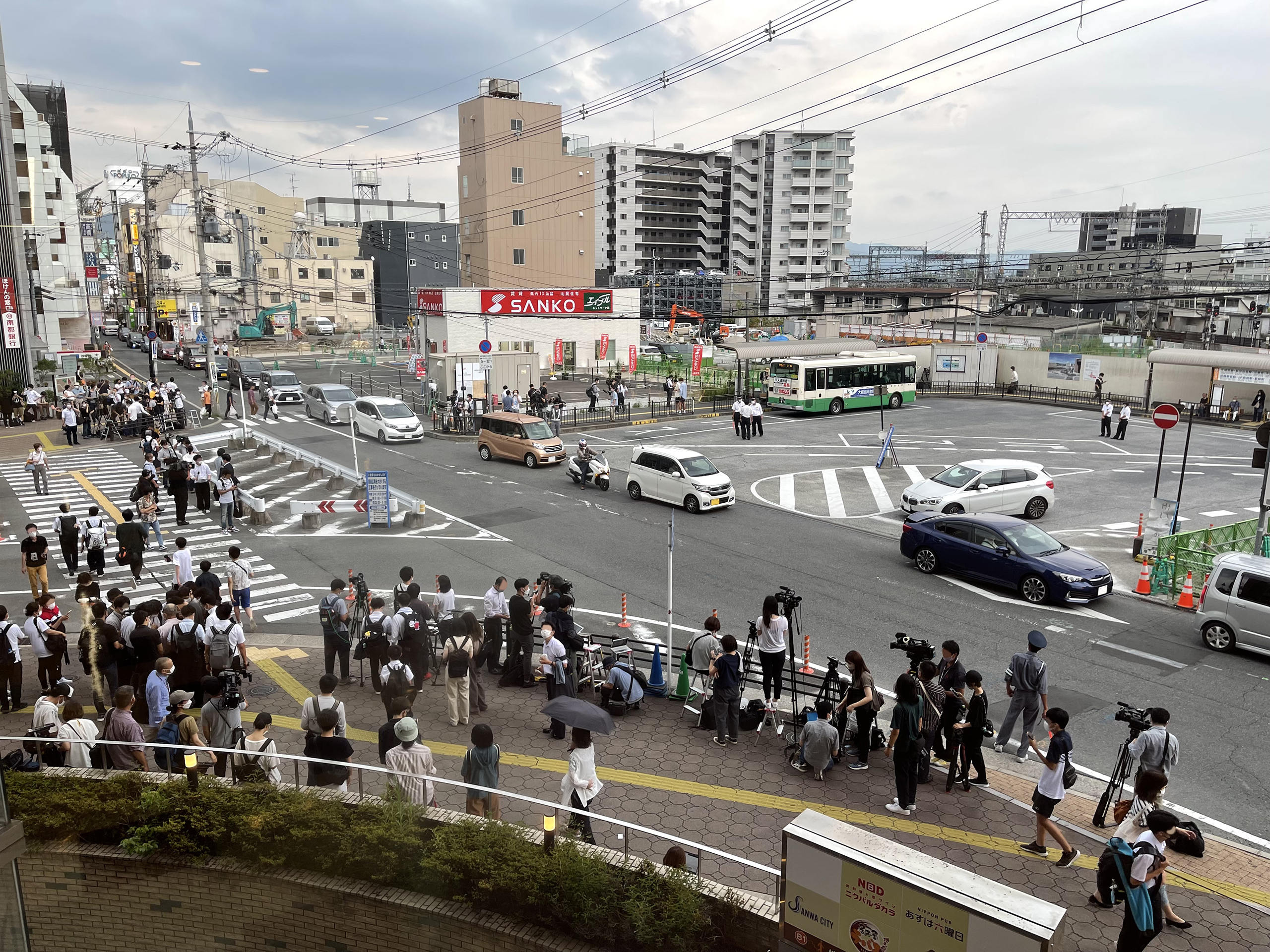
At approximately 11:30 a.m. local time on July 8, 2022, Abe was standing on a raised platform near Yamato-Saidaiji Station in Nara, addressing a crowd of onlookers and supporters. A gunman approached him from behind and fired what was described as a homemade firearm. Two shots were heard in quick succession, with smoke visible after the discharges. Abe was struck and collapsed, suffering wounds to the neck and chest area.
Bystanders and security personnel subdued the attacker at the scene. Abe was given emergency aid, including attempts at resuscitation, and was airlifted to Nara Medical University Hospital in a state of cardiac arrest. Despite extensive efforts by medical staff, including blood transfusions, he was pronounced dead at the hospital that afternoon. He was 67 years old. The killing shocked Japan and drew condemnation and tributes from world leaders.
Investigation and Perpetrator
The suspect was identified as Tetsuya Yamagami, a man in his early 40s and a former member of Japan's Maritime Self-Defense Force. He was arrested at the scene on suspicion of attempted murder, a charge later upgraded to murder. The weapon used was a crude, handmade gun reportedly constructed from metal pipes, tape, and other materials, reflecting Japan's tight restrictions on commercially available firearms. Police later searched his residence and reported finding additional homemade weapons and materials.
According to accounts of his statements to investigators that were widely reported, Yamagami expressed a grievance against the Unification Church (the religious movement founded by Sun Myung Moon, sometimes called the 'Moonies'). He reportedly believed his mother's large financial donations to the church had bankrupted his family, and he came to associate Abe with the organization, citing the former leader's perceived ties to it. Yamagami reportedly told police he targeted Abe over this connection rather than for Abe's political positions.
Aftermath and Wider Impact
Abe's assassination triggered intense national scrutiny of security failures, with police acknowledging shortcomings in the protective arrangements at the open-air event. The head of Japan's National Police Agency resigned over the lapses. The election proceeded as scheduled on July 10, and the LDP-led coalition performed strongly. A state funeral for Abe was held in Tokyo in September 2022, a decision that itself proved politically controversial among some segments of the Japanese public.
The case also drew sustained attention to the Unification Church and its relationships with politicians, particularly within the LDP. Subsequent reporting and investigation into church practices, including aggressive solicitation of donations from followers, led to government action; Japanese authorities later moved to seek the dissolution of the religious organization's legal status. Yamagami received some public expressions of sympathy from people who shared concerns about the church's practices, an unusual response that fueled national debate.
Legal Status
Yamagami was held following his arrest and underwent a period of psychiatric evaluation before formal charges were filed. He was indicted on charges including murder and violations of firearms and weapons laws. As of the most recent widely reported developments, his criminal trial process was underway in the Japanese courts. Because Japan retains capital punishment, the case has been closely watched as a potential death-penalty matter, though the ultimate outcome of the proceedings remains pending.
The assassination remains a landmark event in modern Japanese history: the killing of a former prime minister in a country where political assassinations and gun violence are extraordinarily rare. It prompted reforms to VIP security protocols, renewed debate over the regulation of religious organizations, and ongoing reflection on the grievances that motivated the attack.