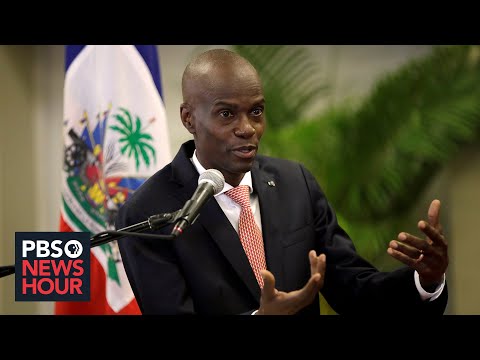
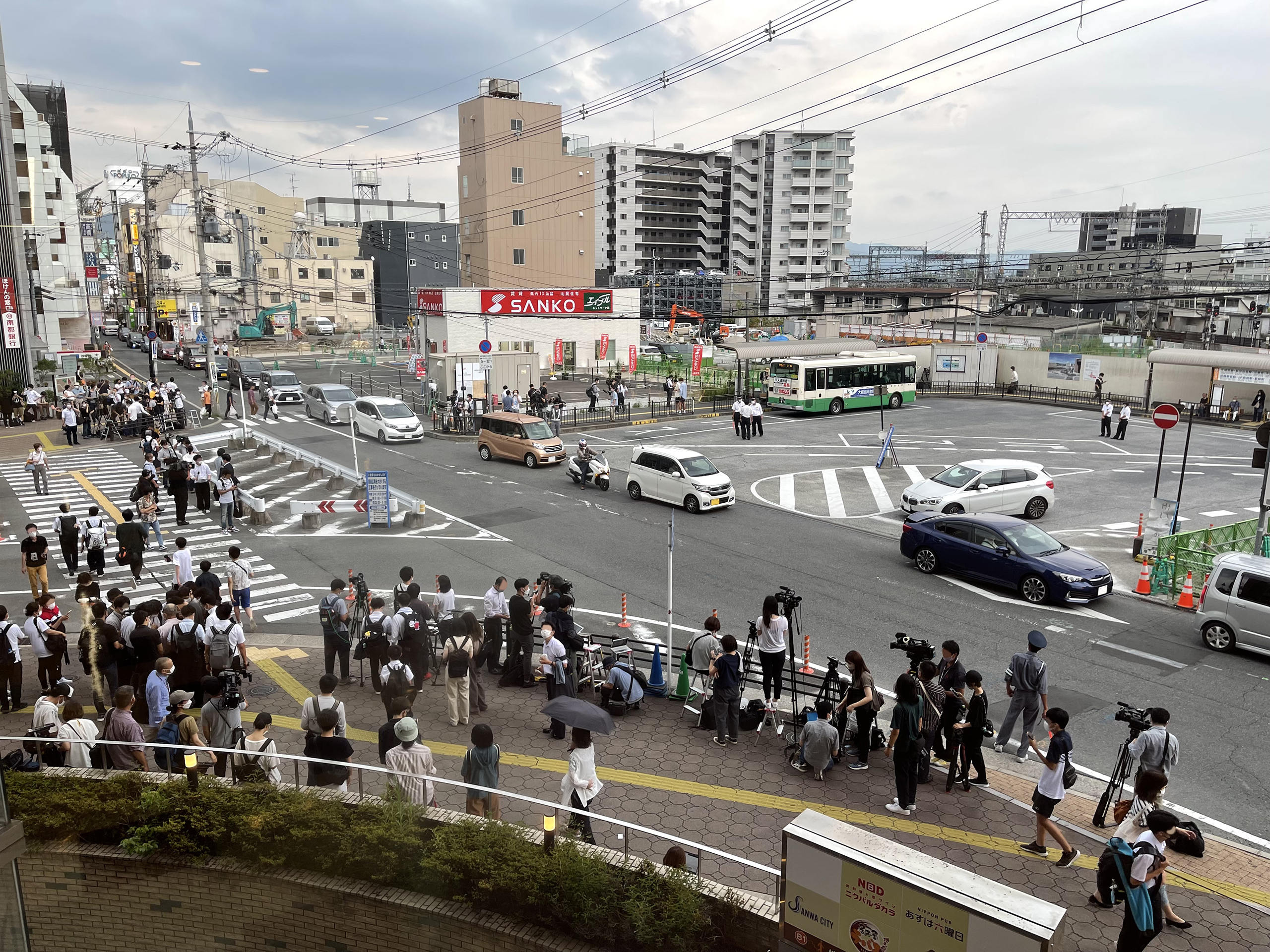
A commando of roughly 20 former Colombian soldiers, recruited as mercenaries and partly contracted through the Miami-area security firm CTU Security, carried out the raid. Investigations implicated Haitian-American businessmen, including Christian Emmanuel Sanon, and senior officials in an alleged plot. Several suspects, including Joseph Vincent and German Alejandro Rivera García, were later convicted in U.S. federal court.
Victim
Jovenel Moïse (53)
Location
Pèlerin 5, Pétion-Ville, Port-au-Prince, Haiti
Summary
Haitian President Jovenel Moïse was shot dead by an armed commando, mostly former Colombian soldiers, who stormed his private residence in Pétion-Ville before dawn.
Details
In the early hours of 7 July 2021, an armed group raided President Jovenel Moïse's private residence in the Pèlerin 5 hills above Pétion-Ville, near Port-au-Prince, and fatally shot him. His wife, First Lady Martine Moïse, was seriously wounded. The commando was largely composed of former Colombian military personnel hired as mercenaries, some recruited via the Florida-based firm CTU Security. Authorities arrested numerous suspects in Haiti, while U.S. prosecutors charged and convicted several conspirators in Miami federal court. The motive and full chain of command remain partly contested.
Overview
Jovenel Moïse, the President of Haiti, was assassinated in the early hours of 7 July 2021 at his private residence in Pelerin 5, a hilltop neighborhood of Pétion-Ville on the outskirts of Port-au-Prince. An armed commando entered the heavily guarded compound before dawn and shot the president multiple times. His wife, First Lady Martine Moïse, was seriously wounded in the attack and was later evacuated for medical treatment in the United States.
The killing of a sitting head of state plunged the already unstable Caribbean nation deeper into political crisis. Interim Prime Minister Claude Joseph announced the president's death and declared a state of emergency. The assassination drew international attention and condemnation, and prompted investigations involving authorities in Haiti, Colombia, and the United States.
The Attack
According to Haitian officials, a group of attackers stormed the presidential residence overnight, overpowering or evading the security detail without significant resistance being reported. Investigators said the assailants posed as agents of the U.S. Drug Enforcement Administration (DEA), reportedly shouting that it was a DEA operation as they approached, though the DEA denied any involvement and said only that a person later linked to the case had once been a confidential source.
The president was found shot in his bedroom. Reports described numerous gunshot wounds. The First Lady was gravely injured. Questions quickly arose about how a large armed group reached and breached one of the most protected sites in the country, and why members of the presidential security unit were not killed, fueling suspicions of inside involvement that became central to the investigation.
The Perpetrators
Haitian police said the commando was made up mostly of former Colombian soldiers, alongside at least two Haitian-American men. In the days after the assassination, authorities reported killing several suspects in confrontations and arresting many others. Colombia's government confirmed that a number of the detained men were retired members of its armed forces and opened its own inquiry into how they were recruited.
Investigators alleged the Colombians had been recruited through a security or contracting arrangement, with some reportedly told they were taking part in a protection assignment rather than an assassination. Several figures were named as alleged organizers or financiers, including a Haitian-American pastor, Christian Emmanuel Sanon, who authorities accused of harboring political ambitions. Many of these allegations remained contested and the subject of ongoing legal proceedings.
Investigation and Prosecutions
The investigation proceeded on parallel tracks in Haiti and the United States. The Haitian probe was repeatedly hampered by instability, threats against judicial officials, the resignation of investigating magistrates, and concerns about the safety of witnesses and suspects in custody. Several Haitian judges assigned to the case stepped aside over the course of the inquiry, contributing to long delays.
In the United States, federal prosecutors in the Southern District of Florida pursued charges against multiple defendants accused of involvement in planning or financing the plot. A number of individuals pleaded guilty or were convicted and sentenced, including to life imprisonment, in U.S. court proceedings. These cases addressed the conspiracy's alleged links to recruitment, financing, and logistics organized in part from Florida.
Aftermath and Significance
The assassination intensified Haiti's political vacuum and instability. A power struggle over who would lead the country followed, eventually resolved with Ariel Henry assuming the post of prime minister. In the years afterward, Haiti experienced worsening gang violence, displacement, and a humanitarian and security crisis, with the assassination widely cited as a turning point that deepened the country's turmoil.
As of the most recent widely reported developments, the case remained legally unresolved in several respects. Full accountability for who ordered and financed the killing, and the precise motive, continued to be the subject of investigation and dispute. Many of the publicly stated allegations about masterminds and motives had not been conclusively settled in court, and the case is generally described as ongoing.
Video Coverage
Frequently asked questions
What was the Assassination of Haitian President Jovenel Moïse case?
Haitian President Jovenel Moïse was shot dead by an armed commando, mostly former Colombian soldiers, who stormed his private residence in Pétion-Ville before dawn.
Who was responsible for Assassination of Haitian President Jovenel Moïse?
Colombian mercenaries and alleged conspirators. A commando of roughly 20 former Colombian soldiers, recruited as mercenaries and partly contracted through the Miami-area security firm CTU Security, carried out the raid. Investigations implicated Haitian-American businessmen, including Christian Emmanuel Sanon, and senior officials in an alleged plot. Several suspects, including Joseph Vincent and German Alejandro Rivera García, were later convicted in U.S. federal court.
Who were the victims of the Assassination of Haitian President Jovenel Moïse case?
The named victims were Jovenel Moïse.
Where and when did the Assassination of Haitian President Jovenel Moïse case take place?
It took place in Port-au-Prince, Haiti in 2021.
Was the Assassination of Haitian President Jovenel Moïse case solved?