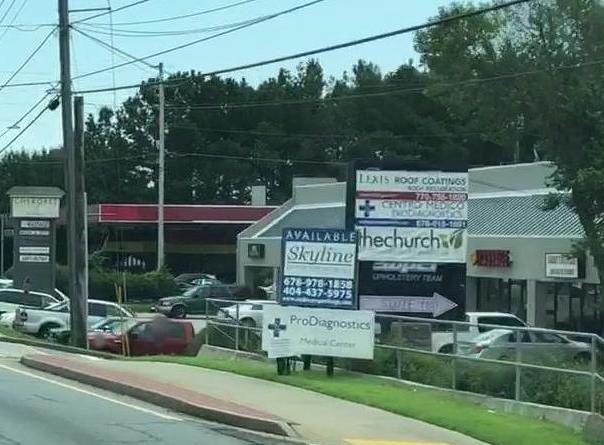
Fort Hood Shooting

Killeen, USA · 2009

View location on map
Share
Fort Hood Shooting
Image: Wikimedia Commons
solved Terrorism / extremism November 5, 2009

Perpetrator

Nidal Malik Hasan

Nidal Hasan was a U.S. Army major and psychiatrist who opened fire at the Fort Hood Soldier Readiness Processing Center. He was shot by responding civilian police, leaving him paralyzed below the chest. In 2013 a military jury convicted him on 13 counts of premeditated murder and 32 counts of attempted murder, and sentenced him to death.

Victims

  • Michael Grant Cahill (62)
  • Libardo Eduardo Caraveo (52)
  • Justin Michael DeCrow (32)
  • John P. Gaffaney (56)
  • Frederick Z. Greene (29)
  • Jason Dean Hunt (22)
  • Amy Sun Krueger (29)
  • Aaron Thomas Nemelka (19)
  • Michael S. Pearson (22)
  • Russell Gilbert Seager (51)
  • Francheska Velez (21)
  • Juanita L. Warman (55)
  • Kham See Xiong (23)

Location

Fort Hood (Soldier Readiness Processing Center), Killeen, USA

Summary

U.S. Army psychiatrist Nidal Hasan opened fire at the Fort Hood military base in Texas, killing 13 people and wounding more than 30 others.

Details

On November 5, 2009, Major Nidal Hasan, an Army psychiatrist, shot and killed 13 people and wounded over 30 at the Soldier Readiness Processing Center at Fort Hood near Killeen, Texas. One of the fatalities was a pregnant soldier, Francheska Velez. Hasan was stopped and shot by civilian police, leaving him paralyzed. In August 2013, a military court-martial convicted him of 13 counts of premeditated murder and 32 counts of attempted premeditated murder, sentencing him to death. The attack was later classified by the Army as workplace violence, a designation that drew criticism from victims and families.

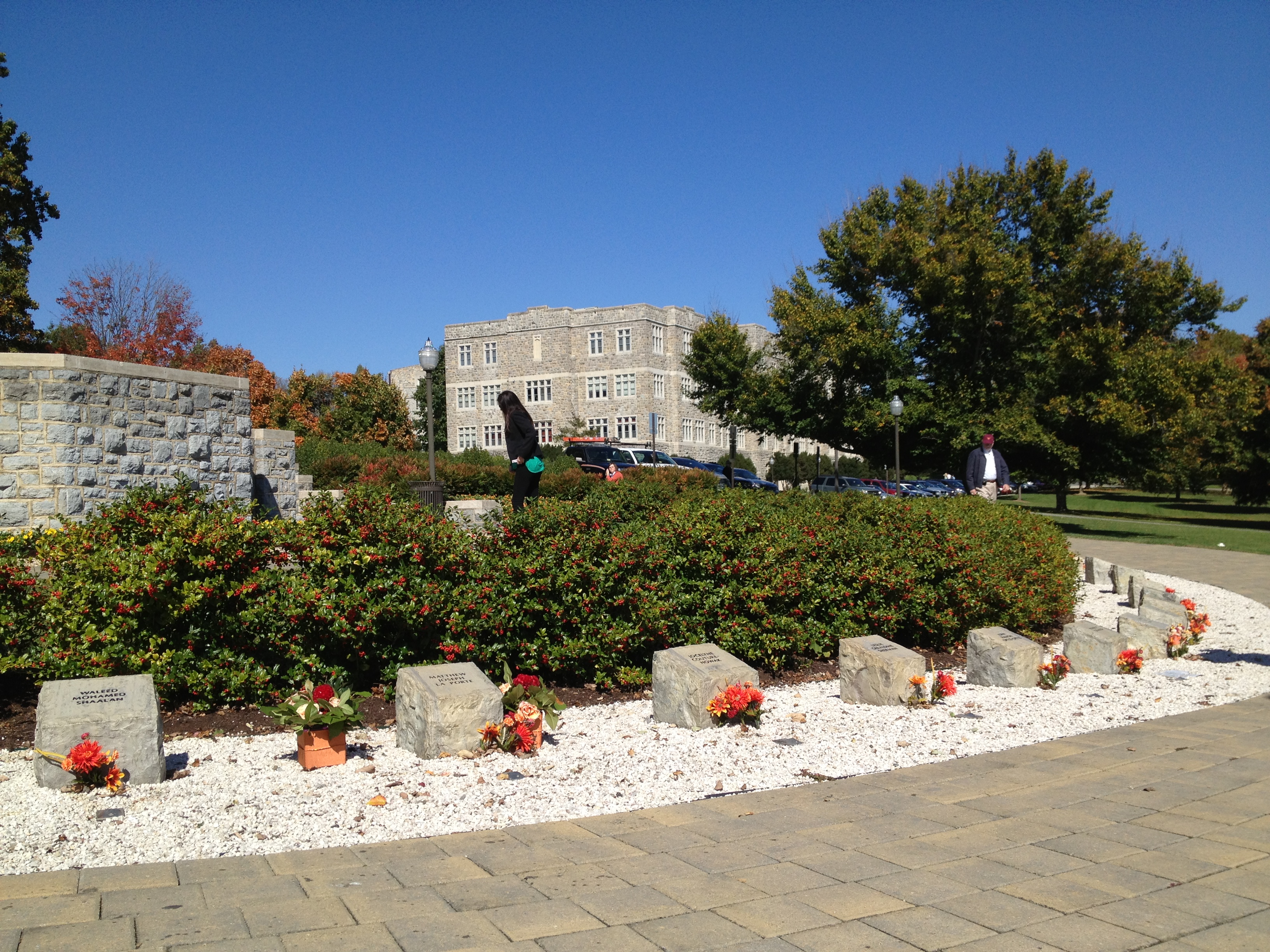
Overview

On November 5, 2009, U.S. Army Major Nidal Malik Hasan, an Army psychiatrist, opened fire inside the Soldier Readiness Processing Center at Fort Hood, a large military installation near Killeen, Texas. The attack killed 13 people and wounded more than 30 others, making it one of the deadliest mass shootings ever to occur on a U.S. military base. Most of the victims were soldiers in the process of being deployed to or returning from Iraq and Afghanistan.

The shooting ended when Hasan was shot multiple times by civilian police responding to the scene. He survived but was left paralyzed from the chest down. The case drew intense national attention because the perpetrator was a serving military officer who attacked fellow service members on a domestic base, raising questions about how warning signs had been missed.

Perpetrator

Nidal Malik Hasan was born in 1970 in Arlington, Virginia, to parents of Palestinian descent. He joined the U.S. Army and trained as a psychiatrist, completing his medical education through the military and serving at Walter Reed Army Medical Center before being transferred to Fort Hood. In his medical role, he had counseled soldiers returning from combat deployments.

In the period before the attack, Hasan had expressed opposition to the wars in Iraq and Afghanistan and had reportedly become increasingly devout in his religious views. Investigations later revealed that he had exchanged emails with Anwar al-Awlaki, a U.S.-born cleric linked to al-Qaeda in the Arabian Peninsula. These communications had been intercepted by U.S. authorities before the shooting, a fact that became central to subsequent reviews of intelligence and personnel failures.

The Attack

On the afternoon of November 5, 2009, Hasan entered the Soldier Readiness Processing Center, where personnel undergo medical and administrative steps before and after deployment. According to accounts presented at trial, he reportedly shouted before opening fire on the assembled soldiers and staff with a handgun. The facility was crowded, contributing to the high number of casualties.

Civilian police officers from the base responded within minutes. An exchange of gunfire took place in which Hasan was struck several times and incapacitated. The 13 people killed included 12 soldiers and one civilian Department of Defense employee. More than 30 others were wounded. Hasan's injuries left him permanently paralyzed and reliant on a wheelchair for the remainder of the legal proceedings.

Investigation and Classification

The attack prompted multiple federal and military reviews examining whether warning signs had been overlooked. Of particular focus were Hasan's prior communications with Anwar al-Awlaki and concerns colleagues and superiors had reportedly raised about his conduct and statements. Critics argued that institutional reluctance contributed to a failure to act on these signals.

The U.S. government initially classified the shooting as an act of workplace violence rather than terrorism, a designation that affected the benefits and recognition available to the victims and their families. This classification was widely contested by survivors, victims' families, and some lawmakers, who maintained the attack should be recognized as terrorism. The dispute over classification became one of the most persistent controversies surrounding the case.

Trial and Sentence

Hasan was tried by court-martial. He chose to represent himself during the proceedings and did not contest the core facts of the shooting; at one point he stated that he had acted on behalf of others, framing his actions in ideological terms. The military judge and prosecutors presented extensive witness testimony from survivors and base personnel.

In August 2013, Hasan was convicted on 13 counts of premeditated murder and 32 counts of attempted premeditated murder. He was sentenced to death and dismissed from the Army. As of the case record, his sentence remained subject to the lengthy automatic appeals process that applies to military death-penalty cases, and he was held in military custody at Fort Leavenworth, Kansas.

Aftermath and Legacy

Following sustained advocacy by survivors and victims' families, Congress took steps to make Purple Heart and equivalent civilian honors available to the casualties of the Fort Hood shooting, effectively recognizing the victims for injuries sustained in the attack. The awards were presented in subsequent years, addressing a key grievance over the earlier workplace-violence designation.

The shooting led to reviews of security procedures and personnel-screening practices across the U.S. military, and it became a recurring reference point in debates about insider threats, the detection of radicalization, and base safety. It remains among the deadliest shootings at a U.S. military installation and is frequently cited in discussions of how institutional warning signs can be missed.

Video Coverage

Video thumbnail

Frequently asked questions

What was the Fort Hood Shooting case?

U.S. Army psychiatrist Nidal Hasan opened fire at the Fort Hood military base in Texas, killing 13 people and wounding more than 30 others.

Who was responsible for Fort Hood Shooting?

Nidal Malik Hasan. Nidal Hasan was a U.S. Army major and psychiatrist who opened fire at the Fort Hood Soldier Readiness Processing Center. He was shot by responding civilian police, leaving him paralyzed below the chest. In 2013 a military jury convicted him on 13 counts of premeditated murder and 32 counts of attempted murder, and sentenced him to death.

Who were the victims of the Fort Hood Shooting case?

The named victims were Michael Grant Cahill, Libardo Eduardo Caraveo, Justin Michael DeCrow, John P. Gaffaney, Frederick Z. Greene, Jason Dean Hunt, Amy Sun Krueger, Aaron Thomas Nemelka, Michael S. Pearson, Russell Gilbert Seager, Francheska Velez, Juanita L. Warman, Kham See Xiong.

Where and when did the Fort Hood Shooting case take place?

It took place in Killeen, USA in 2009.

Was the Fort Hood Shooting case solved?

This case is recorded as solved.

Sources & further reading

See an error or have an update? Report a correction. We review every request.

Related cases

Tags