Background
Crocus City Hall is a large concert and entertainment venue located in Krasnogorsk, in the Moscow Oblast, just outside the western edge of Moscow, Russia. Part of the sprawling Crocus City complex developed by Azerbaijani-Russian businessman Aras Agalarov, the hall could seat several thousand people and regularly hosted concerts and public events. On the evening of 22 March 2024, the venue was preparing to host a sold-out concert by the Russian rock band Picnic, drawing a large crowd of attendees.
The attack was claimed by Islamic State - Khorasan Province (ISIS-K or ISKP), the Afghanistan-based regional affiliate of the Islamic State. ISIS-K had been increasingly active in plotting attacks beyond its core region and had previously been linked to plots in several countries. The group released statements and material asserting responsibility shortly after the assault, framing it within its broader campaign against states it regarded as enemies.
The Attack
Shortly before the concert was due to begin, a group of gunmen entered the Crocus City Hall complex and opened fire on people in the lobby and entrance areas with automatic weapons. Witnesses described attackers shooting indiscriminately at concertgoers and staff as crowds attempted to flee. The assailants then moved into the auditorium, continuing to fire on people trapped inside.
The attackers also set the building ablaze, reportedly using incendiary materials. The fire spread rapidly through the large structure, causing the roof to partially collapse and producing thick smoke that trapped many people inside. A significant proportion of the casualties resulted from the fire and smoke inhalation in addition to gunfire. Emergency services, including firefighters and rescue teams, responded to the scene as the blaze engulfed much of the venue.
At least 145 people were killed and many more were injured, making it the deadliest terrorist attack in Russia in roughly two decades. Casualty figures were updated in the days following the attack as bodies were recovered from the gutted building.
Investigation and Arrests
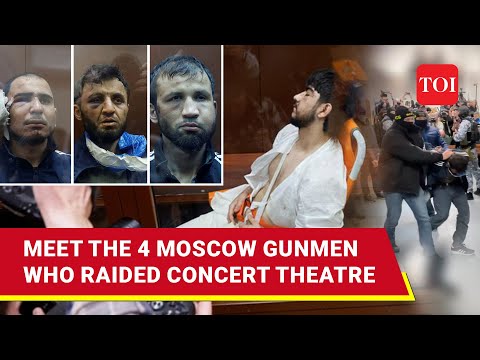
Russian authorities launched an immediate manhunt. Within roughly a day, officials announced that suspects had been detained, several of them reportedly apprehended in the Bryansk region of western Russia, near the border with Ukraine, as they allegedly attempted to flee. Russian authorities identified four men accused of carrying out the shooting as citizens of Tajikistan: Dalerdzhon Mirzoyev, Saidakrami Murodali Rachabalizoda, Shamsidin Fariduni, and Muhammadsobir Fayzov.
The four primary suspects were brought before a Moscow court and showed visible signs of injury, prompting widespread reporting and concern that they had been beaten or tortured in custody. Additional people were detained over the following days on suspicion of involvement or providing assistance. ISIS-K's claim of responsibility, and intelligence assessments from various governments attributing the attack to the group, were central to international coverage.
Disputed Attribution
While the Islamic State claimed responsibility and Western governments, including the United States, attributed the attack to ISIS-K, Russian officials repeatedly suggested a connection to Ukraine, an allegation Ukrainian authorities firmly denied. The United States stated it had warned Russia in advance of intelligence indicating a planned attack on a large gathering, and the U.S. Embassy in Moscow had issued a public security alert earlier in March 2024 advising against attending crowded events.
There remains a significant divergence between the ISIS-K claim and intelligence assessments on one side and Russian official narratives implicating Ukraine on the other. Independent corroboration of any Ukrainian role has not been established publicly, and the Islamic State's claim of responsibility is the most widely cited explanation among international observers.
Legal Proceedings
The four accused gunmen were charged with terrorism offenses and ordered held in pre-trial detention. Russian authorities indicated they would pursue the most serious charges available. The case proceeded through the Russian judicial system, with multiple defendants and alleged accomplices facing prosecution. Discussion within Russia about reinstating the death penalty, which has been under a long-standing moratorium, intensified in the aftermath, though no formal change was confirmed.
Because the legal process unfolded over an extended period and details emerged incrementally, some specifics of charges, the full list of co-defendants, and final sentencing outcomes were not fully settled in the immediate aftermath of the attack.
Aftermath and Legacy
Russia declared 24 March 2024 a national day of mourning. The attack prompted an outpouring of grief, with memorials and flowers left at the site and at Russian missions abroad. The gutted Crocus City Hall, severely damaged by the fire, was left as a stark reminder of the scale of the loss, and plans for the future of the site were subsequently discussed.
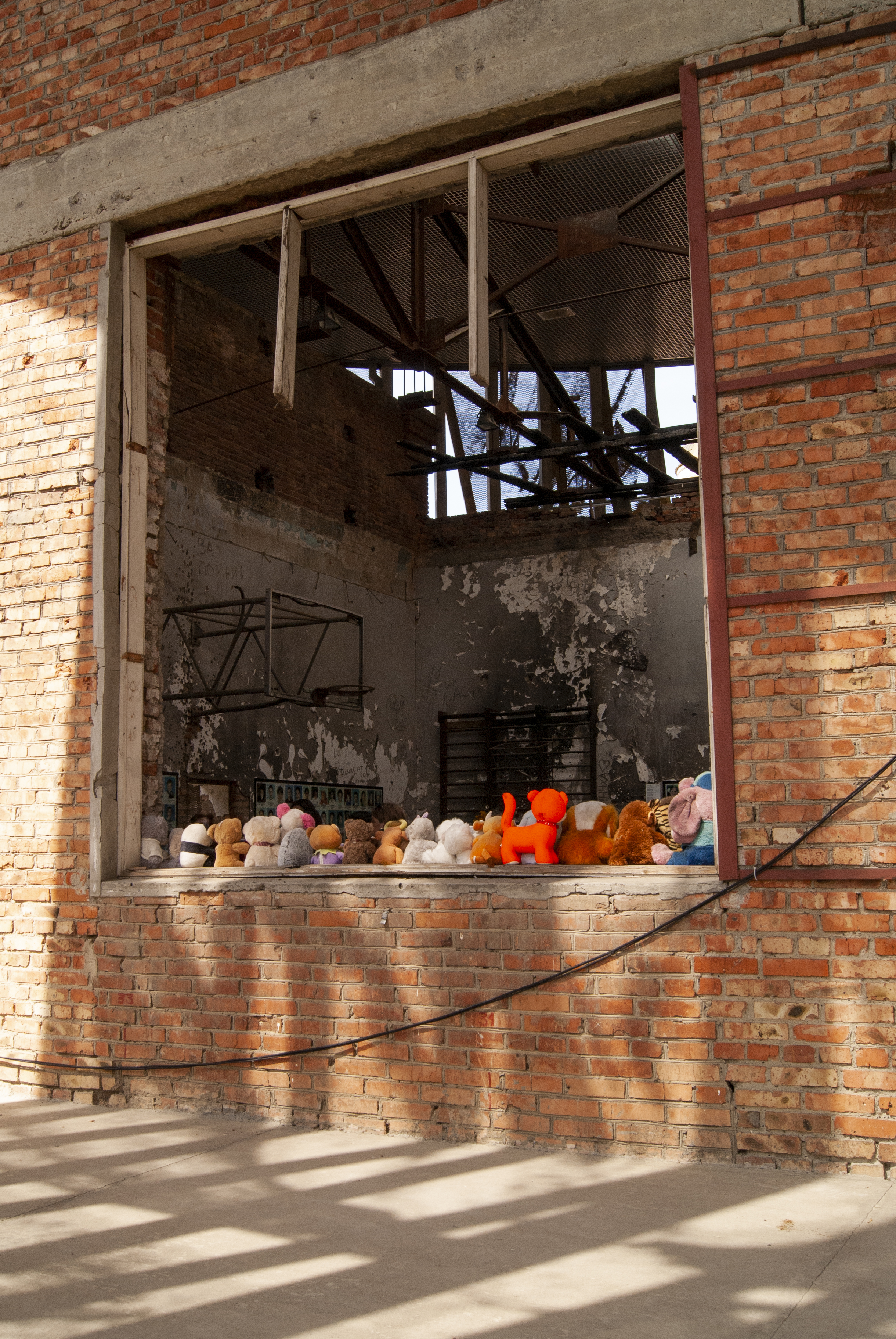
The attack underscored the continuing threat posed by ISIS-K beyond Afghanistan and intensified scrutiny of the group's international reach. It also fed into ongoing geopolitical tensions, given the competing narratives about responsibility. For Russia, the assault was a major security failure with deep public impact, ranking among the deadliest terrorist incidents in the country's modern history alongside attacks such as the 2002 Moscow theater siege and the 2004 Beslan school siege.