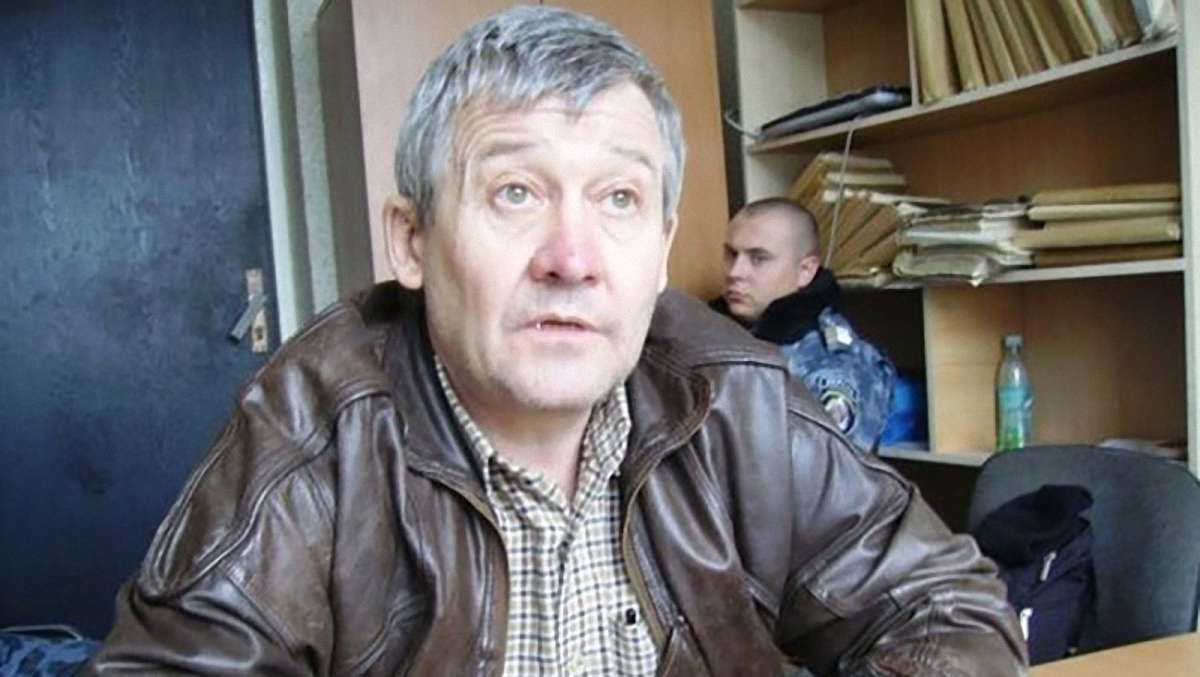
Niels Högel was a German nurse who worked in the intensive care units of hospitals in Oldenburg and Delmenhorst, Lower Saxony. He injected patients with non-prescribed cardiovascular drugs to trigger cardiac arrest, then attempted resuscitation to appear as a hero in front of colleagues. In 2019 he was convicted of 85 murders, the most by a serial killer in modern German history, and sentenced to life imprisonment.
Known Victims
At least 85 total — known victims include:
Unnamed intensive care patients (mostly elderly)
Location
Delmenhorst, Germany
Summary
German nurse Niels Högel murdered patients by inducing cardiac arrest so he could attempt to revive them; he was ultimately convicted of 85 killings.
Details
Niels Högel worked as a nurse at the Oldenburg clinic and later the Delmenhorst hospital in Lower Saxony, Germany. He deliberately injected patients with drugs such as ajmaline that caused life-threatening cardiac emergencies, then sought to resuscitate them to portray himself as a lifesaver. He was caught in 2005 at Delmenhorst when a colleague observed him manipulating medication. Initially convicted in 2008 for one case, exhumations and investigations revealed a far larger toll, and in June 2019 a court in Oldenburg convicted him of 85 murders. He received a life sentence; authorities believe the true number of victims may be higher.
Background
Niels Högel was born on 30 December 1976 in Wilhelmshaven, in the German state of Lower Saxony. He came from a family with a nursing background and trained as a nurse before beginning his career in the healthcare system of northwestern Germany. By the late 1990s he was working in hospital intensive-care and cardiology settings, where he gained a reputation among some colleagues for appearing confident and decisive during medical emergencies.
Högel's crimes were carried out at two hospitals: the clinic in Oldenburg, where he worked from 1999 to 2002, and the medical centre in Delmenhorst, where he worked from 2003 to 2005. Both facilities later became the focus of major criminal investigations, and questions were raised about why warning signs were missed for years before he was finally stopped.
The Crimes
Högel's method involved deliberately injecting patients with medications that disrupted normal heart function, typically inducing cardiac arrest or severe cardiac arrhythmia. Among the drugs he was found to have misused were agents that affect heart rhythm and blood pressure. After triggering a crisis, he would attempt to resuscitate the patient, apparently seeking the thrill of the emergency and the recognition that came with successful revival.
Many patients did not survive these induced emergencies. Investigators concluded that Högel acted out of a desire for excitement and a craving to be seen as a hero during resuscitation attempts. Because his victims were already seriously ill hospital patients, the sudden deteriorations were initially attributed to natural causes, allowing the killings to continue undetected over a period of years across both hospitals.
Investigation and Arrest
Högel was first caught in 2005 at the Delmenhorst hospital when a colleague observed him manipulating a patient's intravenous line during an unexplained emergency. He was arrested and, in 2008, was initially convicted of attempted murder in connection with one case, receiving a prison sentence.
As suspicions grew about the unusually high number of deaths and resuscitations associated with his shifts, authorities launched a far broader inquiry. Investigators exhumed dozens of bodies of former patients from cemeteries across Germany and abroad, conducting toxicological testing to detect traces of the medications Högel had used. A special police commission spent years reviewing patient records, statistical death patterns, and forensic findings, eventually identifying a large number of suspicious deaths linked to him at both Oldenburg and Delmenhorst.
Trials and Convictions
In 2015, Högel was convicted of two murders and additional offences and sentenced to life imprisonment. During those proceedings he made admissions that prompted investigators to widen the inquiry dramatically, as the scope of the killings appeared far larger than previously charged.
A second, much larger trial opened in Oldenburg in October 2018. In June 2019, the court convicted Niels Högel of 85 counts of murder, making him one of the most prolific convicted serial killers in modern German history. He was again sentenced to life imprisonment, with the court noting the particular gravity of his guilt, which limits the possibility of early release. Investigators have indicated the true number of victims may be higher, but evidence in many additional cases could not be conclusively established, in part because some bodies had been cremated.
Aftermath and Legacy
The Högel case triggered intense scrutiny of how the killings went undetected for so long. Separate proceedings were brought against former hospital staff and supervisors accused of failing to act on early suspicions or of helping to cover up irregularities, raising broader questions about institutional accountability and patient safety oversight in German hospitals.
For the families of the victims, the case was a prolonged ordeal spanning more than a decade of investigations, exhumations, and trials. The scale of the killings prompted reforms and renewed debate in Germany about monitoring of medication use, documentation of in-hospital deaths, and the responsibilities of medical institutions to report and investigate unexplained patient deaths. Högel remains imprisoned in Germany serving a life sentence.
Video Coverage
Frequently asked questions
What was the The Killer Nurse of Lower Saxony: Niels Högel case?
German nurse Niels Högel murdered patients by inducing cardiac arrest so he could attempt to revive them; he was ultimately convicted of 85 killings.
Who was responsible for The Killer Nurse of Lower Saxony: Niels Högel?
Niels Högel. Niels Högel was a German nurse who worked in the intensive care units of hospitals in Oldenburg and Delmenhorst, Lower Saxony. He injected patients with non-prescribed cardiovascular drugs to trigger cardiac arrest, then attempted resuscitation to appear as a hero in front of colleagues. In 2019 he was convicted of 85 murders, the most by a serial killer in modern German history, and sentenced to life imprisonment.
How many victims were there in the The Killer Nurse of Lower Saxony: Niels Högel case?
At least 85 victims are associated with this case, including named victims such as Unnamed intensive care patients (mostly elderly).
Where and when did the The Killer Nurse of Lower Saxony: Niels Högel case take place?
It took place in Delmenhorst, Germany in 2005.
Was the The Killer Nurse of Lower Saxony: Niels Högel case solved?