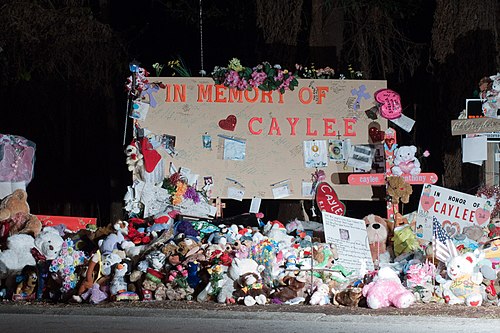
Background
Anni Ninna Dewani (née Hindocha) was a 28-year-old Swedish engineer of Indian heritage. In late 2010 she married Shrien Dewani, a British businessman from Bristol, England, whose family ran a care-home business. The couple, both from affluent backgrounds, had a large wedding in Mumbai, India, in October 2010 before travelling to South Africa for their honeymoon.
The newlyweds arrived in Cape Town in mid-November 2010. Their itinerary included stays at upmarket hotels and tourist excursions in the Western Cape. To move around the city they engaged a local taxi driver, Zola Tongo, whom they had met on arrival and who arranged transport during their stay. The events of the night of 13 November 2010 would turn the honeymoon into one of the most heavily reported criminal cases of the decade.
The Killing
On the evening of 13 November 2010, Tongo drove the couple from a restaurant in the Strand area back toward Cape Town. The route took the vehicle through Gugulethu, a township on the city's outskirts. According to the accounts that emerged, the car was stopped and two armed men forced their way in, hijacking the vehicle.
Zola Tongo and, shortly afterward, Shrien Dewani were ejected from the moving car. Anni Dewani remained inside with the attackers. Her body was discovered the next morning, 14 November 2010, in the abandoned taxi in the township of Khayelitsha. She had been shot once in the neck. Cash, a mobile phone and a watch had been taken, giving the initial appearance of a robbery and carjacking gone wrong.
Investigation and Allegations
South African police initially treated the killing as a hijacking, but the investigation quickly turned toward the possibility that the murder had been arranged. Taxi driver Zola Tongo was arrested and, in a plea agreement, told prosecutors that Shrien Dewani had offered him money to organise a contract killing of Anni, staged to look like a hijacking. Tongo received a reduced sentence of 18 years in exchange for his testimony.
Two other men were implicated as the gunmen and accomplices: Xolile Mngeni and Mziwamadoda Qwabe. A hotel receptionist and 'fixer', Monde Mbolombo, also admitted involvement in connecting the conspirators. Qwabe pleaded guilty and received a 25-year sentence, while Mngeni was convicted of premeditated murder. Prosecutors alleged that the payment passed through this chain to arrange Anni's death. Shrien Dewani denied all the allegations, insisting he was an innocent victim of a genuine hijacking.
Extradition Battle
Shrien Dewani returned to the United Kingdom after the killing, and South Africa sought his extradition to stand trial. The legal process stretched over several years. Dewani's lawyers argued that he was suffering from post-traumatic stress disorder and depression and was not fit to be extradited or to stand trial, and that conditions in South African prisons and psychiatric facilities posed risks to his health.
After repeated hearings in the English courts, extradition was ultimately approved, subject to assurances about his treatment and care in South Africa. Shrien Dewani was extradited to Cape Town in April 2014 to face charges including murder, conspiracy to commit murder, kidnapping, robbery and defeating the ends of justice. During this period it also emerged in court proceedings that Dewani had had contacts with male sex workers, a detail that featured heavily in media coverage and in the prosecution's suggested motive.
Trial and Acquittal
Shrien Dewani's trial opened at the Western Cape High Court in Cape Town in October 2014, presided over by Judge Jeanette Traverso. The prosecution's case rested largely on the testimony of the self-confessed conspirators, several of whom had received plea bargains. As the trial progressed, their accounts proved inconsistent and were undermined under cross-examination, with Zola Tongo and Monde Mbolombo found to have given contradictory or unreliable evidence.
On 8 December 2014, before the defence had to present its full case, Judge Traverso upheld a defence application to dismiss the charges, ruling that the state's evidence was too riddled with contradictions and improbabilities to sustain a conviction. Shrien Dewani was acquitted of all charges and was free to return to the United Kingdom. The judge stressed that the witnesses' credibility was fatally compromised.
Aftermath and Legacy
Anni Dewani's family, particularly her uncle Ashok Hindocha and her parents Vinod and Nilam Hindocha, expressed deep disappointment at the outcome, feeling they had been denied a full account of how and why Anni died. They continued to call for answers and accountability in the years that followed, and her father wrote about the family's grief and search for truth.
Of the men accused, the convicted accomplices served prison terms; Xolile Mngeni died in prison in 2014 after suffering from a brain tumour. Shrien Dewani, who has consistently maintained his innocence, has never been retried. Because no person was ever convicted of arranging the murder, the fundamental question of whether Anni's death was a random hijacking or a planned killing remains publicly contested. The case drew extraordinary international media attention and has been the subject of documentaries and books examining the investigation, the trial, and the failures that left it without a definitive resolution.